Introduction
Selecting the right hard drive is paramount for optimizing your Dell XPS laptop’s performance and storage. With the continuous evolution in technology, knowing your options ensures you choose a drive that meets your speed and capacity needs. This guide delves into the types of hard drives available, key factors for consideration, top recommendations, installation tips, and performance enhancement strategies. Equipped with this knowledge, your Dell XPS can achieve new levels of efficiency and reliability.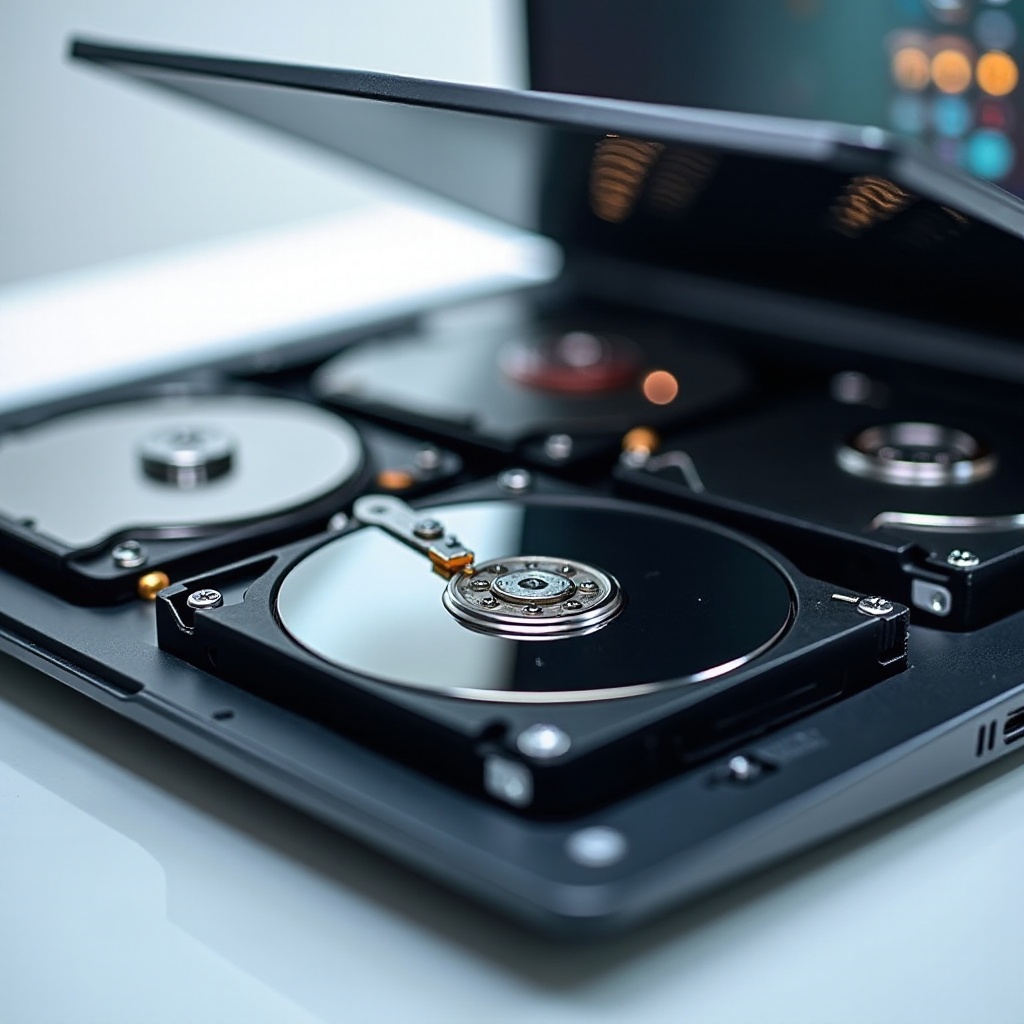
Understanding Hard Drive Types
Various hard drives cater to different priorities such as speed, storage, and reliability. Grasping these distinctions is key to making a well-informed decision.
Solid State Drives (SSDs)
SSDs are renowned for their remarkable speed and efficiency. Their lack of moving parts translates into faster data access and boot times, ideal for users demanding rapid startup and smooth multitasking.
Hard Disk Drives (HDDs)
HDDs provide larger storage capacities at a more affordable price. They’re suited for those needing substantial space for files like videos and games but are slower compared to SSDs.
Hybrid Drives
Hybrid drives blend SSD technology with HDD mechanics, offering a balanced mix of speed and storage. They deliver better performance than HDDs while providing more capacity than mainstream SSDs. Understanding the features of each type is vital for choosing the best hard drive for your Dell XPS. Let’s transition to examining crucial factors to consider when buying.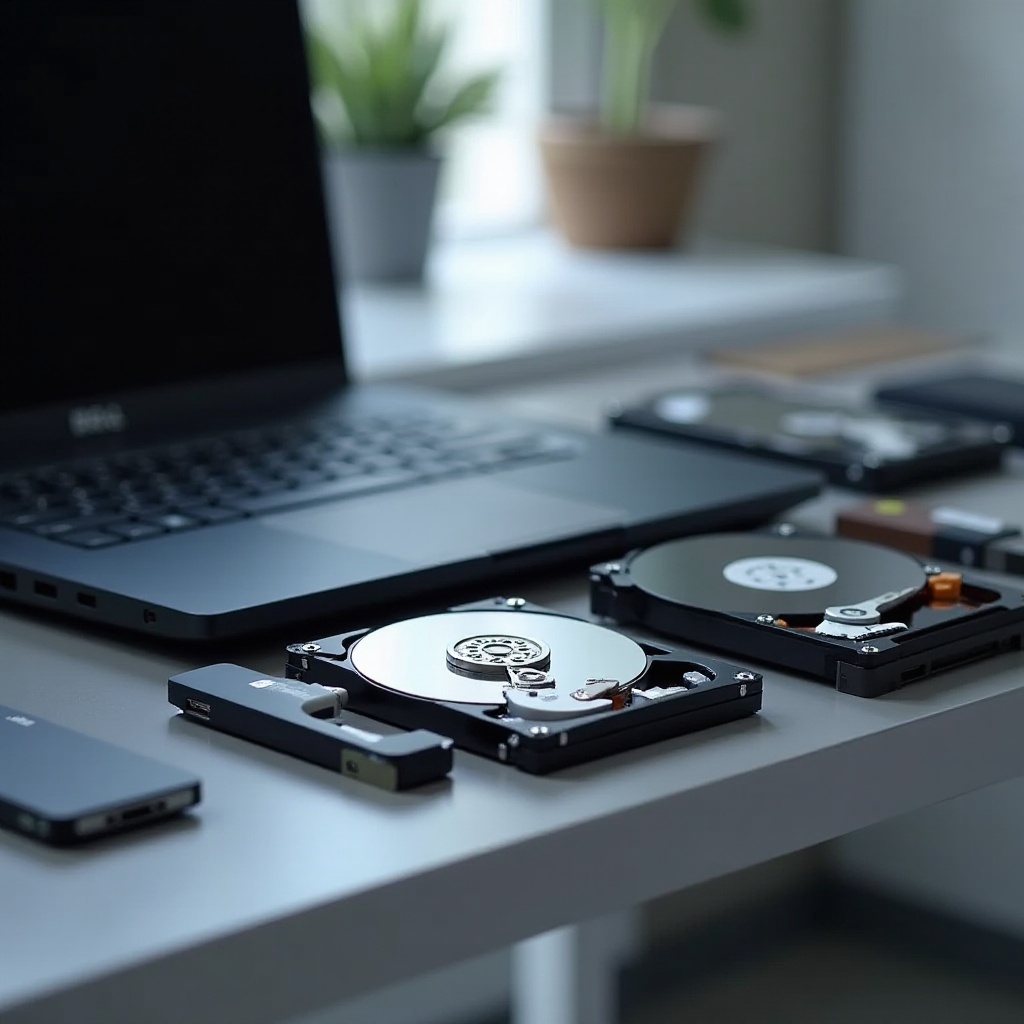
Key Factors to Consider When Buying
When selecting a hard drive, evaluating certain factors will direct you to a drive that complements your Dell XPS and fulfills your requirements.
Storage Capacity
Reflect on your storage needs based on file types. SSDs generally offer smaller capacities, whereas HDDs provide more space. Decide on a drive that aligns with your data needs and allows room for growth.
Speed and Performance
Speed is a priority, especially for users running intensive software or engaging in multitasking. SSDs offer superior speeds compared to HDDs, making them ideal if performance is a focal point.
Reliability and Durability
Reliability is vital for safeguarding data integrity. SSDs tend to be more durable due to fewer mechanical parts, minimizing failure risks. Examine a drive’s read/write cycles to estimate its longevity. With these factors considered, let’s explore our top recommended hard drives for the Dell XPS.
Recommended Hard Drives for Dell XPS
Selecting from the best available options can greatly influence your laptop’s efficiency and functionality.
Top SSD Recommendations
-
Samsung 970 EVO Plus – Noted for its speed, it offers excellent read and write performance, elevating overall system responsiveness. 2. Crucial MX500 – Strikes a balance between price and performance, known for its reliability and robust data protection.
Best HDDs for Dell XPS on a Budget
-
Western Digital Blue – Affordable with ample storage, suitable for everyday tasks and moderate storage demands. 2. Seagate Barracuda – Combines reasonable performance with extensive capacity, perfect for users seeking space.
Notable Hybrid Drive Options
-
Seagate FireCuda – Merges SSD speed with HDD capacity, providing a competitive edge in price and versatility. After opting for the right drive, understanding how to install and ensure compatibility is crucial.
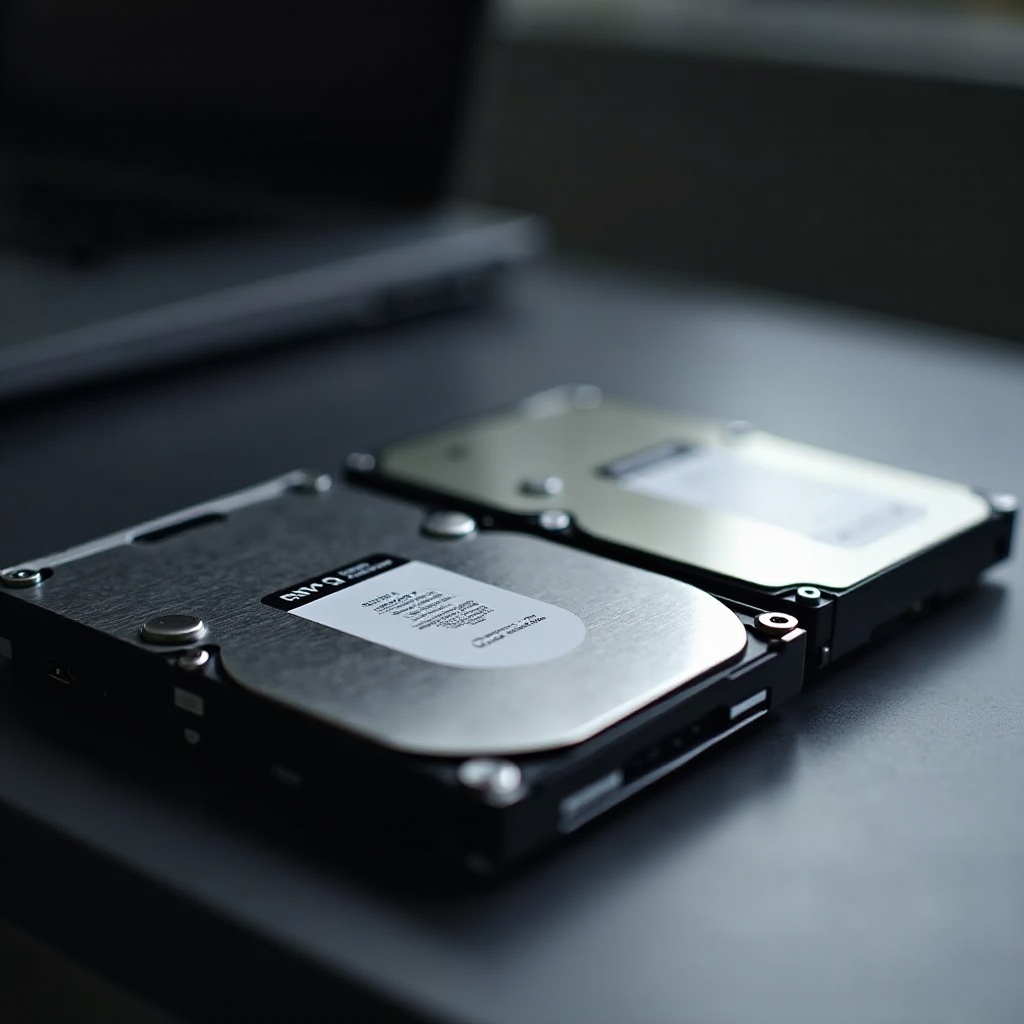
Installation and Compatibility Tips
Upgrading to a new hard drive demands careful installation and ensuring compatibility with your Dell XPS model.
Checking Compatibility with Your Dell XPS
Review your Dell XPS model’s specifications to confirm the form factor and interface of your desired drive. Typically, laptops require a 2.5-inch drive.
Basic Installation Guide
-
Backup Your Data: Always ensure essential files are backed up before installation. 2. Power Down the Laptop: Unplug and remove the battery for added safety. 3. Access the Drive Bay: Locate and remove screws to access the drive bay. 4. Install the Drive: Carefully replace the existing drive with the new one. 5. Reassemble and Boot: Screw back panels, reattach the battery, and boot up the system.
Troubleshooting Common Installation Issues
-
Drive Not Recognized: Ensure connections are secure and check BIOS settings. – Data Transfer Problems: Verify connections and inspect data cables for damage. Executing these steps safeguards a successful installation. After upgrading, enhancing system performance unlocks the new drive’s full potential.
Enhancing Performance After Installation
Installing a new drive can enhance your Dell XPS’s performance significantly. Proper optimization ensures you get the most out of this upgrade.
System Tweaks to Maximize Speed
-
Enable TRIM on SSDs: Aids in maintaining speed by efficiently managing data deletion. 2. Update Drivers and Firmware: Keeping software current ensures optimal performance and protection.
Maintenance Tips for Longevity
-
Regular Data Cleanup: Periodically delete unnecessary files to free space. – Monitor Drive Health: Utilize tools like CrystalDiskInfo to monitor drive health and prevent failures. By following these tips, your Dell XPS will run smoothly, leveraging the new drive’s capabilities.
Conclusion
In conclusion, choosing the right hard drive for your Dell XPS involves understanding drive types, examining essential factors, and considering your personal requirements. With top recommendations and comprehensive installation information, you’re ready to upgrade your system effectively. Tweaking your settings post-installation unlocks enhanced performance, transparency reflecting the value of your new drive.
Frequently Asked Questions
How can I check if a hard drive is compatible with my Dell XPS?
Review your laptop’s specifications in the manual or on the manufacturer’s website to verify drive size and connection type.
What are the differences in performance between SSDs and HDDs in Dell XPS laptops?
SSDs offer significantly faster read and write speeds compared to HDDs, resulting in quicker boot times and robust multitasking capabilities.
Is it necessary to back up data before replacing my hard drive?
Yes, backing up data prevents loss during the replacement process and ensures you can restore your files afterward.