Introduction
Deciding between LG and Samsung TVs involves a thorough consideration of sound quality in addition to stunning visuals. The sound can significantly influence your overall viewing experience, underscoring the importance of choosing a TV with robust audio features. This article provides a detailed comparison of LG and Samsung’s sound technology and presents a breakdown of their capabilities. Whether you’re a cinephile or a casual viewer, understanding these differences will guide you to the best choice for your sound preferences.

Understanding TV Sound Quality
Several key indicators form the backbone of quality sound in TV systems, playing a crucial role in influencing how users perceive media. Frequency range, distortion, and surround sound systems are among the central elements determining audio performance. A TV capable of a wide frequency range and low distortion provides a richer, clearer sound, while advanced surround sound setups can offer an immersive experience by mimicking a theater-like environment. By breaking down these sound components, we get a clearer image of where LG and Samsung stand in terms of audio performance.
LG TV Sound Technology
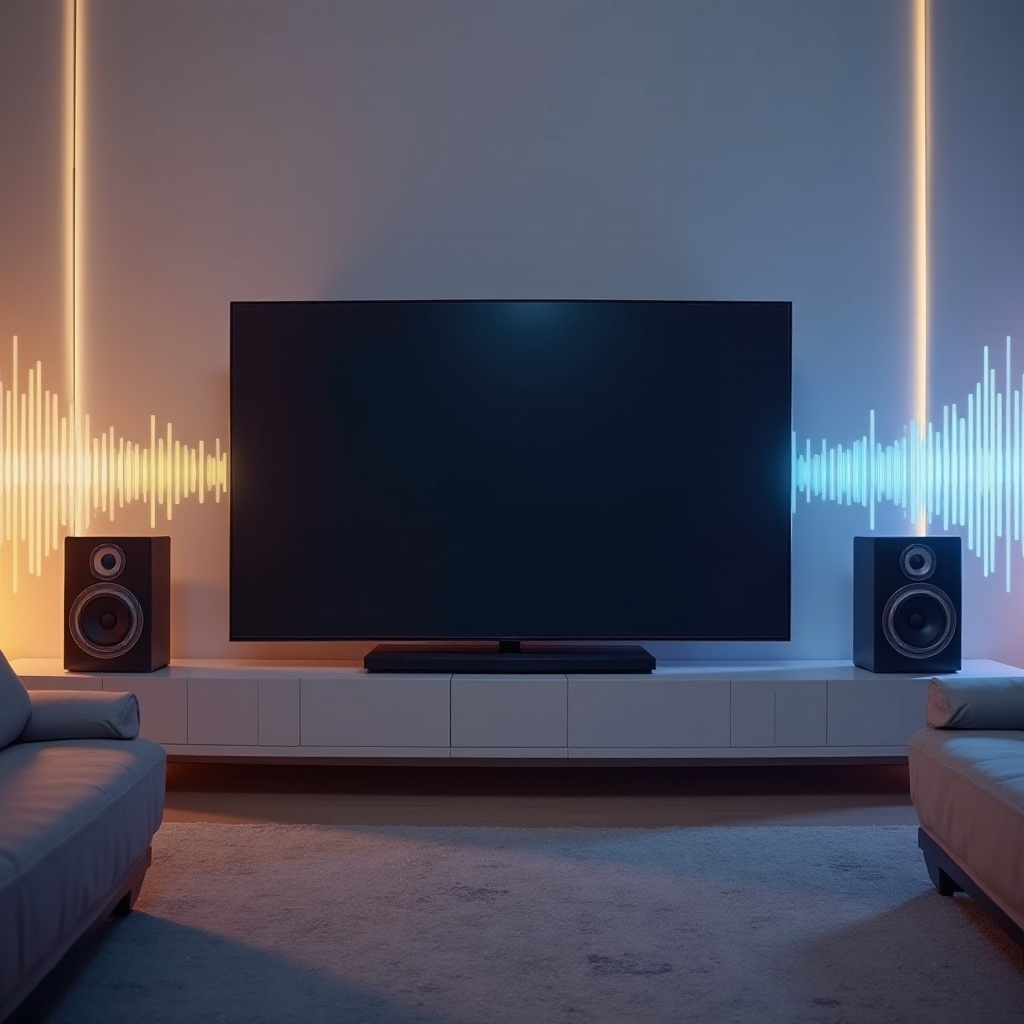
LG has consistently innovated in audio performance, incorporating cutting-edge technology to enhance sound. A key feature of LG TVs is AI Sound Pro, which fine-tunes audio output based on the type of content. This adaptability ensures optimal sound whether you’re watching an action-packed movie or a quiet drama. The use of upward-firing speakers, available in many LG models, further enriches the audio experience by creating a surround sound effect using the room’s acoustics. Two standout models in the LG lineup are the LG CX and GX, which deliver impressive audio through Dolby Atmos technology. This feature ensures that viewers enjoy detailed, high-fidelity sound typical of a theater experience.
LG’s approach to sound places a strong emphasis not just on pure volume or bass intensity but on creating a balanced, immersive experience. The thoughtful application of technology to maximize existing hardware resources is a testament to LG’s commitment to superior audio quality.
Samsung TV Sound Technology
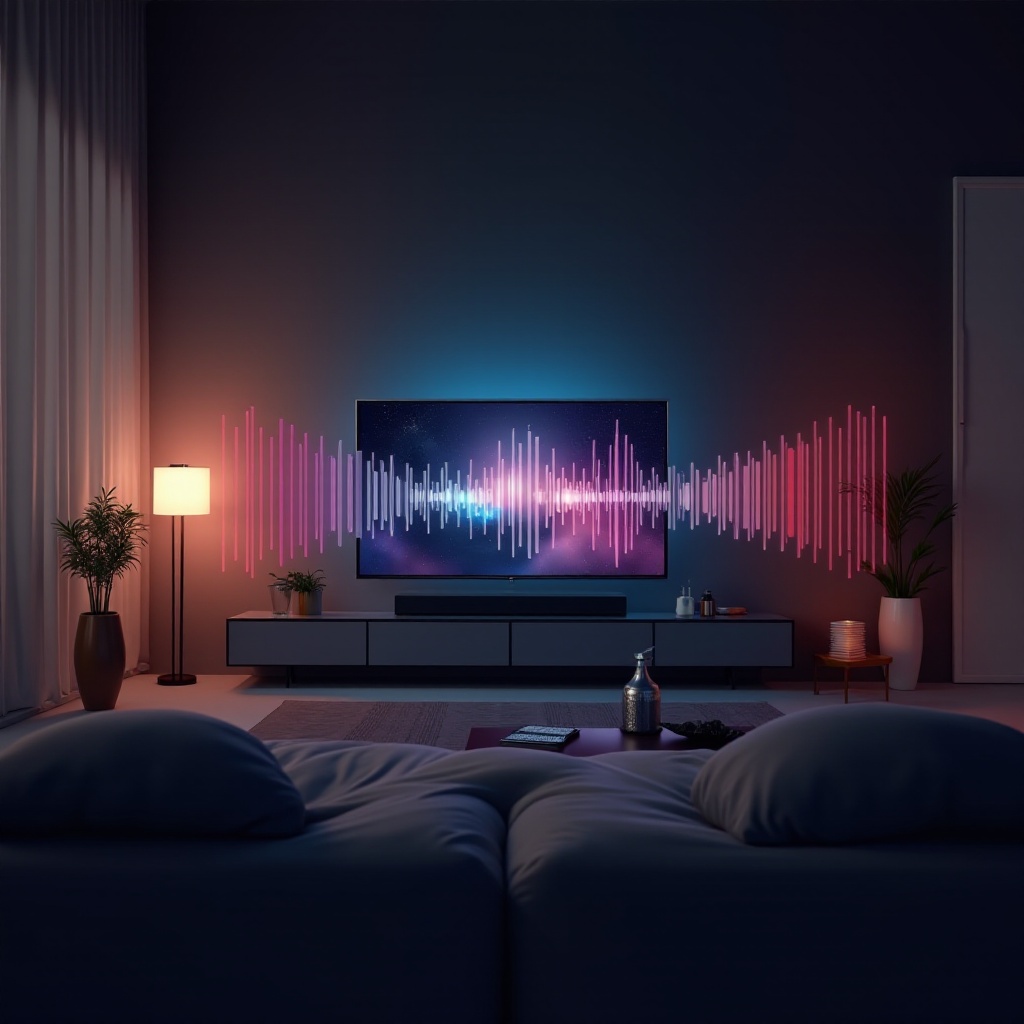
Samsung offers a compelling range of audio technologies that cater to enthusiasts seeking dynamic and realistic soundscapes. With Object Tracking Sound (OTS), Samsung TVs provide audio that moves in sync with on-screen action, creating a 3D sound field. This innovation is further supported by adaptive sound technology, which analyzes incoming audio signals to adjust the sound mode accordingly. Models such as the Samsung Q90T and Q950TS feature True Surround Sound and incorporate Acoustic Beam technology, delivering exceptionally realistic and engaging sound. These technologies make Samsung TVs a strong contender for users who value meticulously crafted auditory experiences.
Samsung’s dedication to enhancing audio experience shows in their choice of integrating expansive soundstage features, effectively utilizing space and sound dynamics to create an enveloping audio atmosphere.
Comparative Analysis: LG vs Samsung
Both LG and Samsung offer powerful audio solutions, each with unique strengths. LG’s sound systems excel in ambiance creation, adapting audio outputs to suit diverse content. However, some users may prefer additional bass enhancements via external sound systems. Samsung, on the other hand, focuses on sound dimensionality and precision, with audio technologies that place emphasis on sound placement and clarity.
When choosing between these two brands, consider your usage context. Are you drawn to intelligent adaptive sound systems that adjust seamlessly to your viewing habits? LG may offer the best features for you. Alternatively, if a spatially accurate and intricate sound presentation is your priority, Samsung’s advanced sound technologies might provide a more exciting experience.
Enhancing TV Sound: Tips and Tricks
No matter the brand, optimizing your TV’s sound can significantly improve your viewing experience:
– For LG TVs, use AI Sound Pro for automated, content-aware adjustments and explore the Equalizer settings for personalized sound.
– With Samsung TVs, dynamic sound modes offer tailored audio experiences, while the sound output settings allow balancing adjustments to match your room’s acoustic properties.
Adding external audio sources like soundbars can enhance depth and fidelity, converting an already impressive sound system into an exceptional one. By understanding and customizing sound settings, users can fully leverage their TV’s capabilities.
Conclusion
Navigating the landscape of TV sound systems from LG and Samsung reveals the distinct advantages both brands offer. LG’s focus on intelligent sound adjustments and concise clarity complements Samsung’s attention to immersive soundscapes. Choosing the right fit will ultimately depend on your personal preferences, living space, and sound expectations. Explore the models outlined here and make your decision with confidence, knowing you’ll enjoy exceptional audio performance whichever brand you choose.
Frequently Asked Questions
How does room size affect TV sound quality?
Room size impacts sound dispersion, meaning larger spaces might require additional speakers for full immersion, whereas smaller rooms can handle built-in sound more effectively.
Are external sound systems necessary for modern TVs?
While TVs today offer sophisticated sound processing, external systems can significantly enhance the depth and clarity, particularly for home theater setups.
Which brand provides better value for sound quality, LG or Samsung?
Both offer competitive sound quality. LG might edge out in convenience with AI-driven features, whereas Samsung excels in creating a spatial audio environment—consider your listening environment and preferences when making your choice.