Introduction
Recording music requires not only talent but also the right equipment to capture sound accurately. USB microphones are increasingly popular among musicians due to their user-friendly nature and impressive audio fidelity. This guide helps you understand why USB microphones are a go-to choice for recording music and assists in choosing the right one to enhance your recordings.
Why USB Microphones are Ideal for Recording Music
USB microphones offer simplicity and high-quality sound, making them highly attractive to musicians. Their direct connection to computers via USB allows for easy setup without the need for additional equipment like mixers or interfaces. Beginners appreciate their plug-and-play functionality, while advanced users value the convenience they bring during mobile recording sessions. Crucially, USB microphones maintain excellent sound reproduction, catering to diverse artistic needs. Offering reliable performance, they stand as a crucial element in modern music production.
Key Features to Look for in a USB Microphone
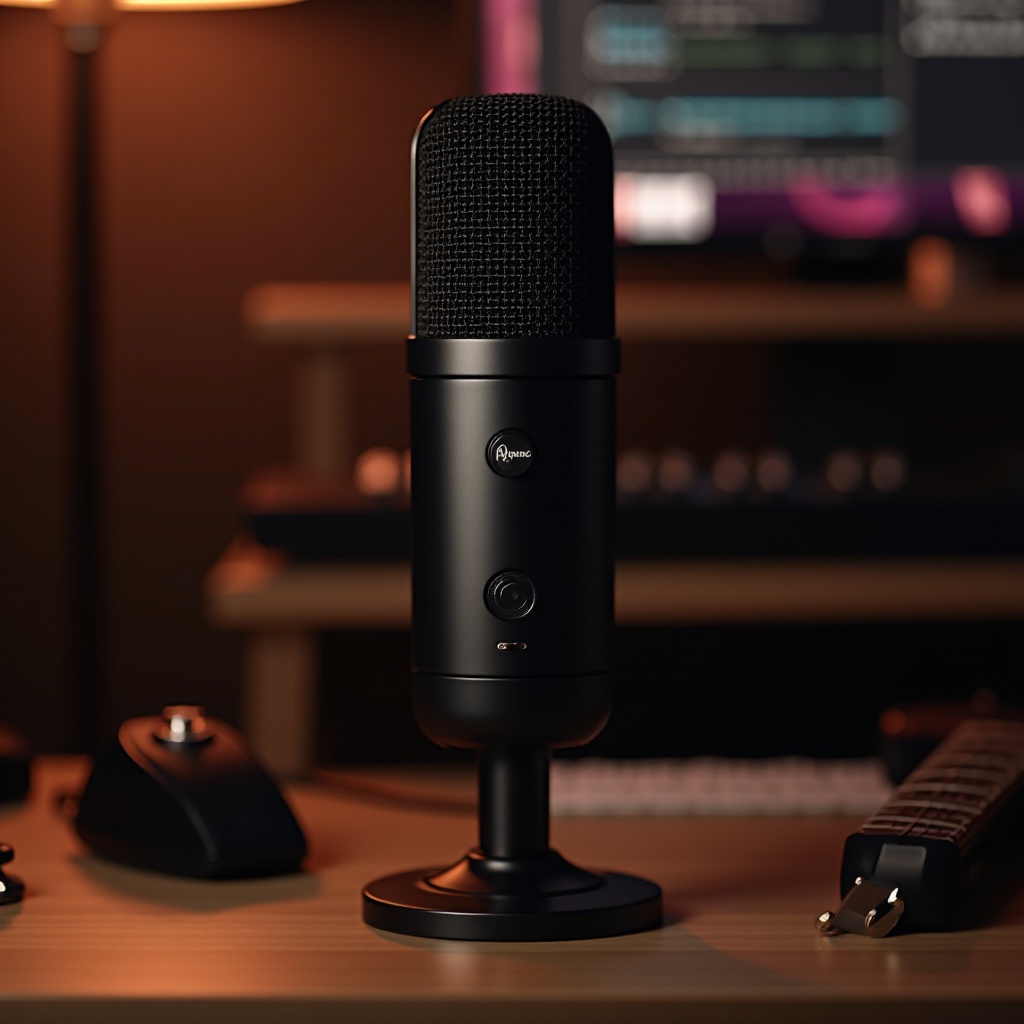
Choosing a USB microphone involves considering essential features that can significantly impact the recording experience:
-
Sound Quality and Frequency Response: Ensure the microphone can capture a broad range of sounds, providing clear and accurate audio. A wide frequency response accommodates various music genres and instruments accurately.
-
Durability and Build Quality: Look for microphones built with robust materials. Durability is important to withstand frequent use without compromising sound quality.
-
Connectivity and Compatibility: Confirm the microphone’s compatibility with your devices and software. A universal USB connection ensures seamless use across different platforms and environments.
These factors guide musicians in selecting a microphone that enhances their recordings while offering lasting reliability, crucial for demanding recording tasks.
Top USB Microphones for Music Recording in 2024
With the USB microphone market expanding, several models stand out for their superior performance and features this year:
Blue Yeti USB Microphone
The Blue Yeti remains a favorite for its versatile recording modes (cardioid, bidirectional, omnidirectional, and stereo). Its adjustable settings and sturdy build make it suitable for diverse recording scenarios, from podcasts to professional music tracks.
Audio-Technica AT2020USB+
Known for delivering high-fidelity audio, the AT2020USB+ offers an extended frequency response that’s perfect for capturing vocals and instruments alike. The built-in headphone jack with volume control allows for real-time monitoring, essential for precise recordings.
Rode NT-USB
Offering excellent sound clarity and durability, the Rode NT-USB’s professional-grade features include a detachable pop shield and tripod desk stand, tailored for on-the-go recording without sacrificing quality.
Shure MV5
The Shure MV5 combines a retro design with modern audio technology. Its digital signal processing preset modes adapt to various recording contexts, ensuring consistent sound capture across different environments.
These options provide musicians with quality and flexibility, ensuring they can find the right microphone to match their unique sound and recording needs.
Setting Up Your USB Microphone for Optimal Recording
To achieve top-notch recordings, setting up your USB microphone correctly is crucial:
-
Basic Setup Guidelines: Begin by connecting your microphone to the computer. Ensure any necessary drivers or software are installed, and select the microphone as the default audio input in your recording application.
-
Tips for Optimizing Sound Quality:
- Positioning: Maintain optimal distance and angling from the sound source. Employ a pop filter to reduce plosive sounds.
- Environment: Record in quiet, acoustically treated spaces to minimize background noise. Simple arrangements can include using foam panels or thick curtains to dampen sound.
- Monitor Levels: Regularly check audio levels to avoid clipping, adjusting gain settings to maintain optimum sound clarity.
By adhering to these guidelines, musicians can maximize their USB microphone’s capabilities, ensuring professional-quality recordings with minimal effort.
Conclusion
Investing in a high-quality USB microphone enhances the music recording process significantly. By focusing on important features and considering top-performing models, musicians can choose a device that perfectly complements their artistic goals. These versatile microphones make capturing crystal-clear sound accessible, simplifying the path to professional-level recordings.
Frequently Asked Questions
Can a USB microphone be used for professional music recording?
Yes, many USB microphones provide high-quality sound capture suitable for professional environments, offering clarity and convenience.
What is the best USB microphone for beginners?
The Blue Yeti USB Microphone is an excellent choice for beginners, offering ease of use, versatile recording modes, and exceptional sound quality.
How do USB microphones compare to traditional XLR microphones?
While USB microphones offer simplicity and mobility, XLR microphones generally provide higher audio quality and flexibility in studio settings. USB microphones are ideal for straightforward, portable setups.