Introduction
Read receipts have revolutionized digital communication by offering insights into whether a recipient has read the message. While Apple users enjoy seamless interaction thanks to iMessage, the experience shifts when the communication involves an Android device. This article delves into whether Android devices can view iPhone read receipts, examines the technical limitations, and explores possible solutions, including future trends in messaging.
What Are Read Receipts?
Definition and Functionality
Read receipts serve as a notification that informs a sender when their message has been read. Typically signified by a ‘Read’ label or checkmark, they provide assurance and status updates.
Importance in Modern Communication
In both personal and professional contexts, read receipts facilitate effective communication by warranting acknowledgment, enabling efficient follow-ups, or notifying senders that a response might soon follow. With different platforms like iPhones and Androids, understanding the functionality of read receipts becomes vital in identifying why seamless cross-platform communication can be challenging. Transitioning from understanding the role of read receipts, we explore how read receipt functionality differs on iPhones and Androids, shedding light on the root of the compatibility issue.
Read Receipts on iPhone vs. Android
iPhone’s iMessage System
iMessage effortlessly integrates read receipts for Apple users. Once enabled, iMessage automatically confirms the reading status of messages between iPhones. Users have control over enabling or disabling this feature, offering flexibility according to their preferences.
Android Messaging Options
Unlike Apple, Android offers varied messaging applications without a universal standard like iMessage. Regular texting (SMS/MMS) on Android lacks native read receipts, though apps like WhatsApp and Telegram do provide such features. This divergence in functionality between platforms illustrates the challenge Android users face when seeking visibility of iPhone read receipts. To uncover this, we must investigate the technical limitations.
Why Androids Can’t Natively See iPhone Read Receipts
Technical Barriers
The exclusivity of iMessage’s architecture to Apple devices poses a primary hurdle. iMessage uses proprietary protocols that ensure only Apple devices can effectively exchange data, including read statuses.
Differences in Messaging Protocols
Additionally, the difference in messaging protocols contributes to the challenge. While proprietary systems like iMessage support read receipts, traditional SMS does not, and despite RCS offering similar features, it lacks consistency in global deployment and crucial iMessage integration. Bridging this gap requires examining potential external solutions capable of offering the desired interoperability. Next, we’ll explore third-party applications and future technology trends as potential solutions to this communication problem.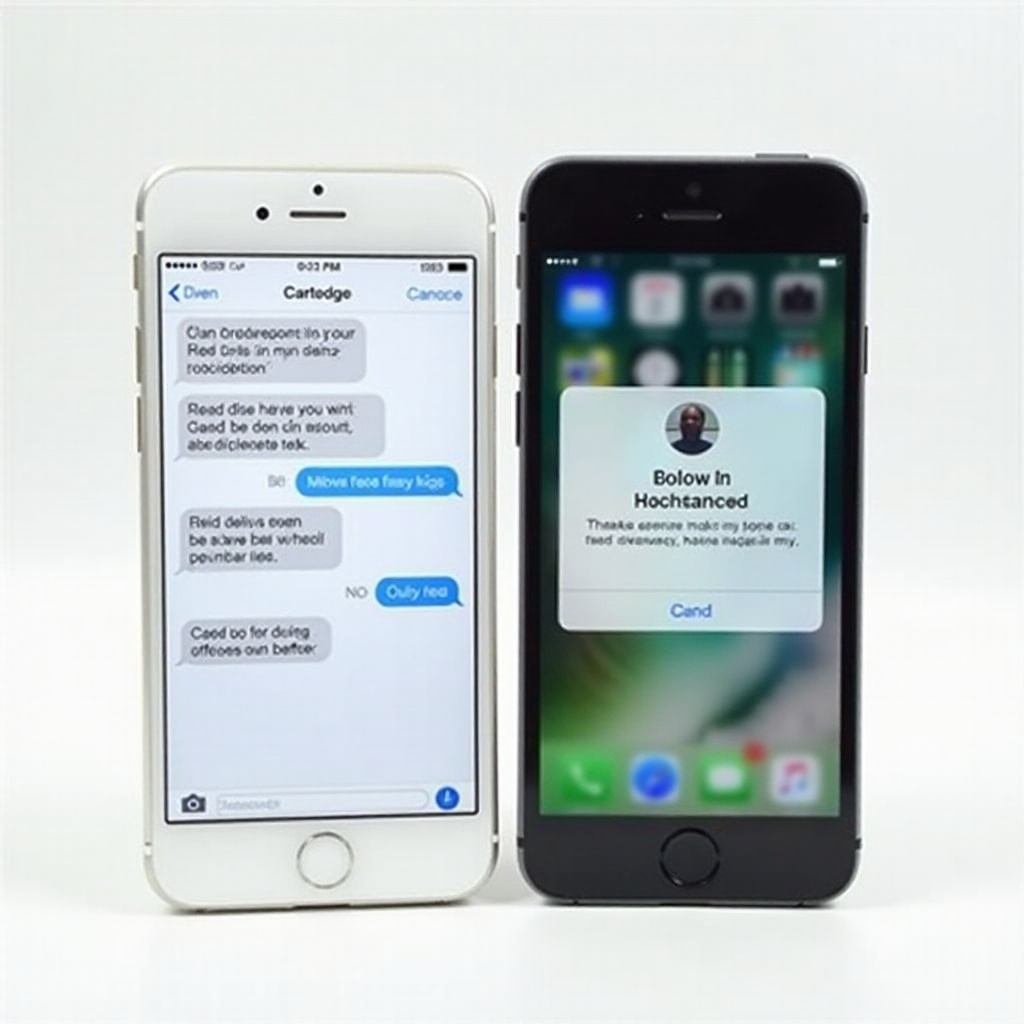
Exploring Third-Party Solutions
Cross-Platform Messaging Apps
Third-party messaging apps such as WhatsApp, Signal, and Messenger allow for read receipts across platforms. These apps rely on internet-based communication, which ensures message delivery and read statuses are conveyed between Android and iPhone.
Pros and Cons of Third-Party Apps
While these apps provide a temporary bridge for cross-platform interaction, they require mutual installation by all parties involved. Their usage can raise privacy concerns, as users must agree to terms, data sharing, and app permissions. Despite potential drawbacks, third-party apps prove practical until further advancements in messaging interoperability emerge. The next step is to anticipate how future technologies could further enhance cross-platform communication and address these limitations.
The Future of Messaging Interoperability
Role of RCS in Android
Google’s push for RCS as an SMS successor aims to deliver messaging enhancements like read receipts and high-quality media sharing on Android. Perfecting RCS involves consistent global adoption and overcoming its lack of compatibility with iMessage.
Industry Trends Towards Unified Messaging
An industry trend toward adopting unified messaging protocols reflects both consumer demand and technological advancement aiming to integrate disparate systems. Although a fully integrated cross-platform solution is yet to be realized, ongoing progress suggests a promising future. As industry and tech advancements converge, the possibility of Androids viewing iPhone read receipts becomes less far-fetched. Meanwhile, practical steps can help optimize user experience.
Practical Tips for Users
Optimizing Messaging Experience
- Employ third-party apps that support cross-platform read receipts.
- Ensure understanding of messaging app settings to adjust read receipts according to needs.
- Keep apps updated to benefit from the latest advancements in features and security.
Managing Read Receipts Effectively
- Respect recipient privacy by being considerate with read receipt preferences.
- Choose platforms that best suit specific communication requirements.
- Stay informed on technological changes that could impact messaging tools and capabilities.
By adopting these strategies, users can maximize their efficiency despite existing obstacles, while remaining prepared for future innovations.
Conclusion
Android devices currently face limitations in viewing iPhone read receipts due to core protocol differences and technical barriers. However, solutions through third-party apps and emerging technologies like RCS provide avenues for enhanced communication. The landscape for messaging is steadily shifting toward greater integration and ease. As progress continues, the expectation of seamless messaging including read receipts will likely be fulfilled, offering users the clarity and connection they seek.
Frequently Asked Questions
Can I use any app to see iPhone read receipts on Android?
Apps like WhatsApp, Signal, and Messenger enable this feature if both parties have the app.
Will RCS help Androids see iPhone read receipts in the future?
RCS enhances Android messaging but currently lacks interoperability with iMessage.
Are there privacy concerns with third-party messaging apps?
Yes, potential privacy issues arise regarding data usage and permissions.